Working with AI, piece by piece
Free courses on how AI assistants work and how to give them tasks. We update the lessons when the models change.
- promt.engineer№ 01 Working with AI: The Basics How AI assistants work and how to give them tasks 8 lessons · ≈ 2 hoursfree ↗
- Lesson 01 · 12 min
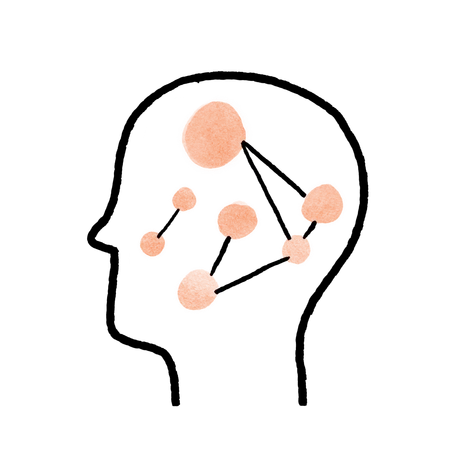 How a model writes an answer
- Lesson 02 · 15 min
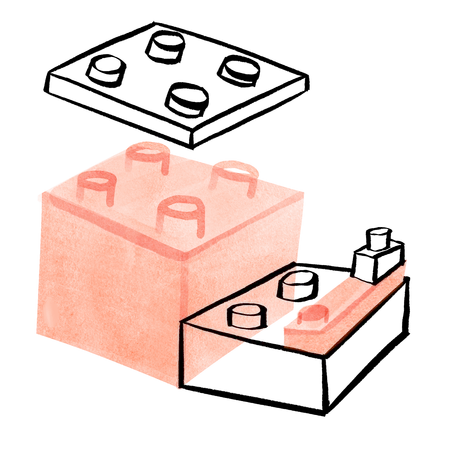 Tokens
- Lesson 03 · 13 min
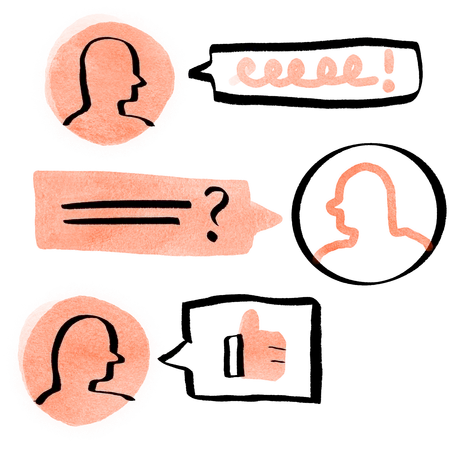 Chat and memory
- Lesson 04 · 14 min
 What the model knows
- Lesson 05 · 13 min
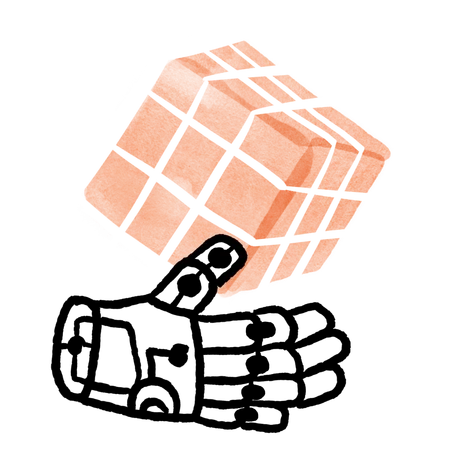 Tools and agents
- Lesson 06 · 12 min
 Reasoning
- Lesson 07 · 11 min
 Checking the result
- Lesson 08 · 13 min
 How to give a task
- 01How a language model writes an answerWhat happens between a question and its answer?
- 02TokensWhy does the model get confused counting letters?
- 03Chat and memoryWhy does the model forget everything in a new chat?
- 04What the model knowsWhere does it get its facts, and why does it sometimes make them up?
- 05Tools and agentsHow does an assistant read files and carry out multi-step tasks?
- 06ReasoningWhen does reasoning help, and when does it only cost time?
- 07Checking the resultHow can you tell whether you can trust an answer?
- 08How to give the model a taskHow do you write a request that gets you what you need the first time?
What promt.engineer is
Prompt engineering is the skill of working with language models: understanding how they write an answer and giving them tasks so that the result is usable. We turn proven techniques for this work into short courses. You do not need to know how to program.

We rely on sources
We take what is confirmed by model developers’ documentation, research and practice, and explain why it works.

We test it ourselves
Whatever can be measured, we measure on current models: we count tokens, run agents and repeat experiments. You can reproduce the numbers in the lessons.
We update the courses
Models change every few months. We release the courses in versions: outdated material leaves the main text, and the history moves to the “Did you know?” notes.
Short lessons, diagrams and a course assistant

Lessons of 10–15 minutes
Each lesson answers one question from everyday work: for example, why a long conversation with a model gets confused over time.
Step-by-step diagrams
Difficult parts are shown in step-by-step diagrams: how a message travels to the servers, how an agent calls tools.

Agnes is there to help
The course assistant answers questions about the lessons and shows which section explains the answer. It sticks to the course.

Self-check questions
Each lesson ends with six work situations. Each answer is explained right away, and there is nothing to retake.
It is free, with no sign-up: your progress is saved in the browser, and with a sign-in key you can continue on another device.
The course shelf
Start with the first lesson
It takes about 12 minutes and explains how a model writes an answer. Everything else builds on that.
